



Aqueduct of S. Sebastião
Presentation
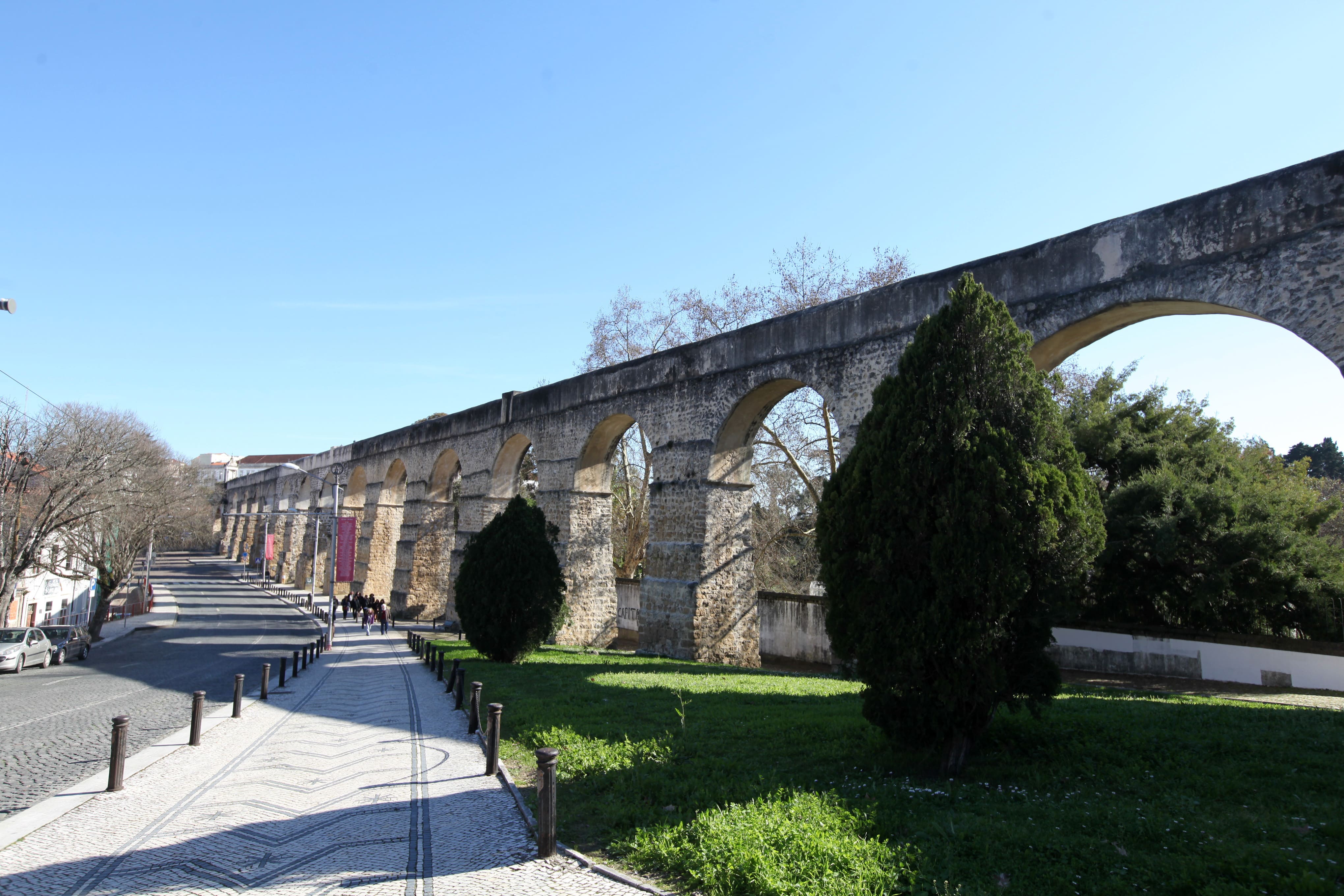
Known popularly as "Arcos do Jardim" due to its proximity to the Botanical Garden of the University of Coimbra, this aqueduct was built between 1568 and 1570 during the reign of King D. Sebastião. The architectural design is attributed to the Italian engineer Filipe Terzi. The structure spans about 1 kilometer and stands out for the grandeur of its arches, being a remarkable example of Renaissance engineering.
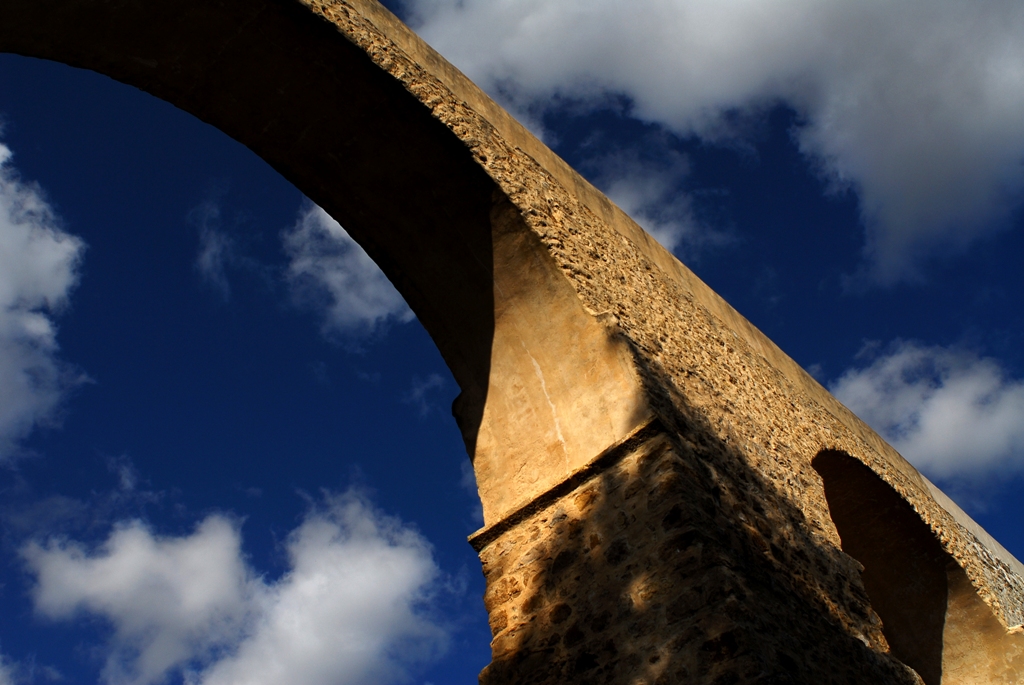
The aqueduct is composed of 21 arches, some semicircular and others flattened, resting on robust pillars with external faces arranged in steps. The conduit, covered by a barrel vault, was deactivated in 1942.
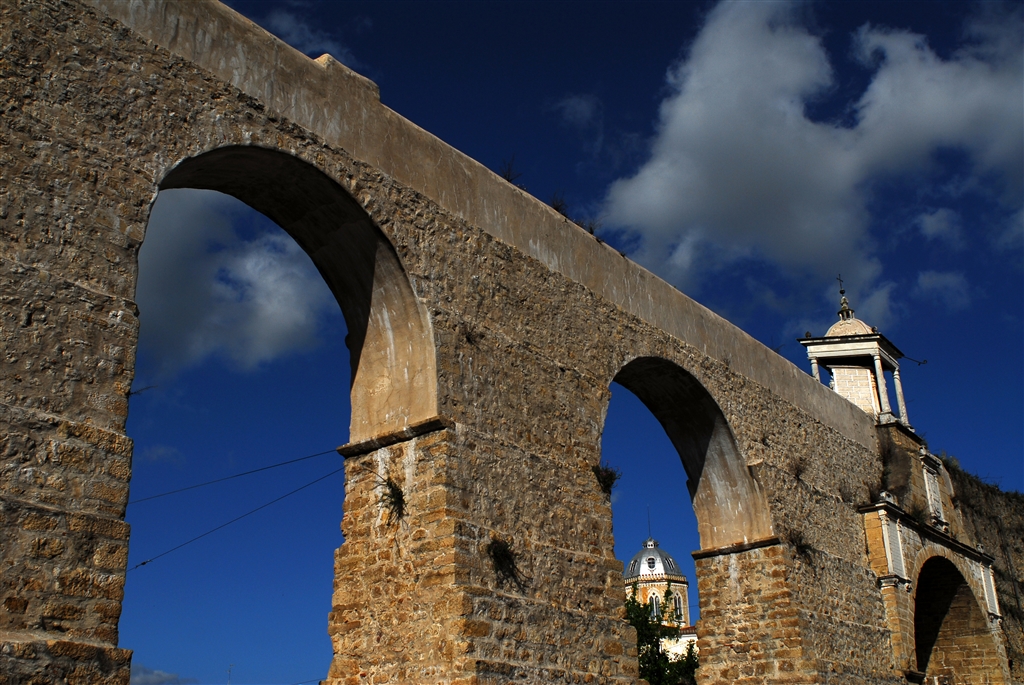
The design of this imposing structure, which stretches for a kilometer, is attributed to Italian engineer Felipe Terzi. The first arch, called the “arch of honor,” differs from the others; topped by a cornice, which features the coat of arms of Portugal, it is surmounted by a baldachin, resting on Doric columns and crowned by a dome and lantern; on each side there are two niches with images of Saint Sebastian and Saint Roch.
Read moreObservations
As an outdoor monument, the aqueduct can be visited at any time. It is recommended to explore the surrounding area, which includes the Botanical Garden, for a complete experience.
Schedule
The visit to the aqueduct is free, with no set hours.
Particularities
The aqueduct reflects Roman hydraulic engineering adapted to the Portuguese Renaissance context, highlighting the continuity and innovation over the centuries.
The first arch of the aqueduct, known as the Arco de Honra (Arch of Honor), stands out from the others due to its unique architecture. Finished with a cornice that incorporates the coat of arms of Portugal, it is topped by a canopy supported by Doric columns, culminating in a dome with a lantern. On each side, there are niches with statues of Saint Sebastian and Saint Roch.
Aspetos Diferenciadores
The integration of the aqueduct with the Botanical Garden provides an enriching experience, combining history, architecture, and nature in a single location.
History
The São Sebastião Aqueduct was built to supply water to the upper part of the city, especially to the University of Coimbra, taking advantage of the layout of an earlier Roman aqueduct. Its construction reflects the importance of water in sustaining and developing the urban growth of Coimbra over the centuries.
Aqueduct of S. Sebastião
Calçada Martins de Freitas
3001-455 Coimbra
Coimbra